
Caregivers
Martial Arts for Multiple Sclerosis · MA4MS
For Caregivers Supporting Someone With MS
Caregivers can help protect dignity, consistency, safety, and encouragement when MS changes how movement practice looks.
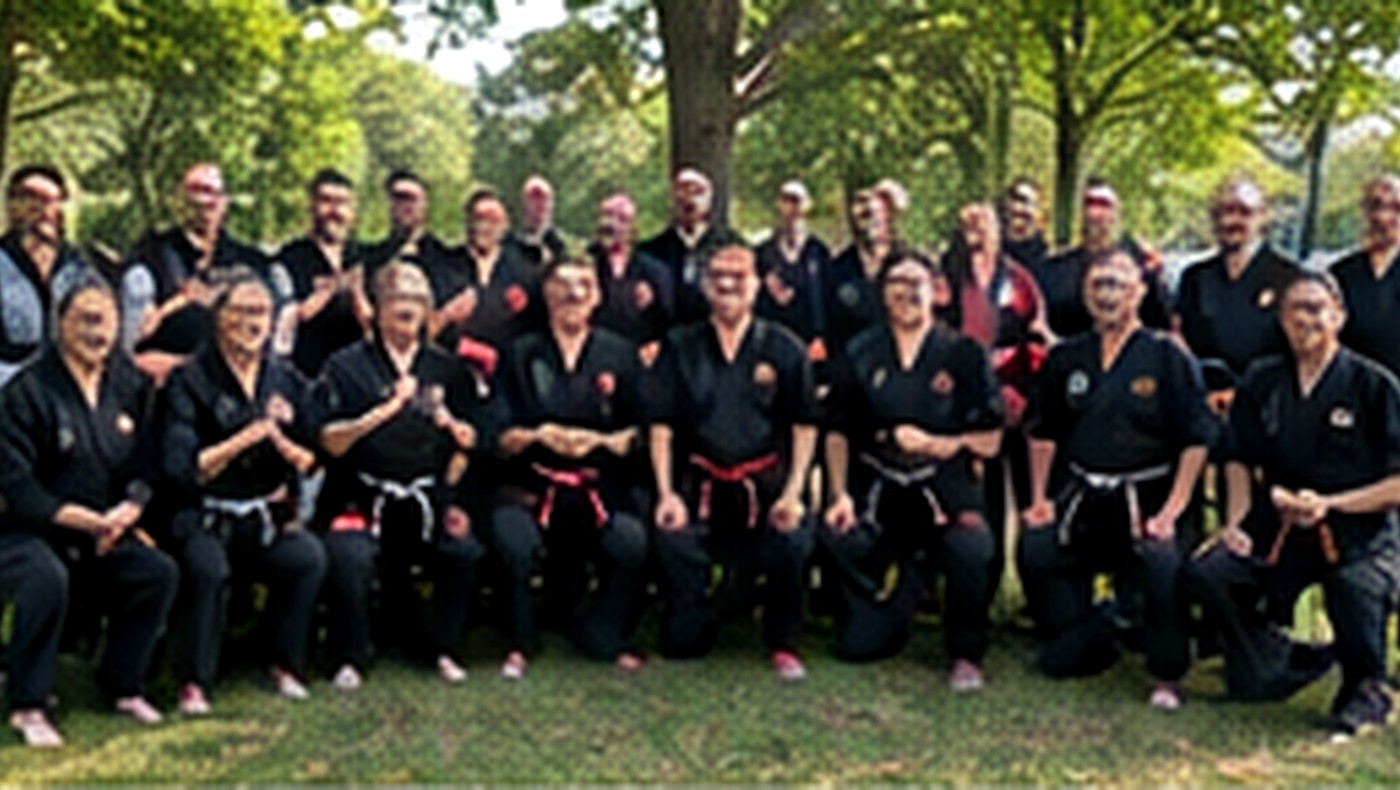
Caregivers are part of the environment
A caregiver does not have to be a martial artist to support the MA4MS mission. A caregiver can help by protecting the person’s dignity, keeping the space calm, encouraging safe routine, noticing fatigue, and respecting the difference between a good challenge and a harmful push.
For someone with MS, the ability to practice may change from day to day. One day might allow seated movement. Another day might only allow visualization. Another day might require rest. Caregiver support works best when it respects that variability instead of treating every change as giving up.
What caregivers can encourage
- Short, realistic practice sessions that do not ignore fatigue.
- Seated or supported versions of familiar martial arts basics.
- Visualization of kata, stance, blocking, stepping, tai chi flow, or capoeira rhythm.
- Positive language that keeps identity intact.
- Medical guidance when safety, falls, pain, heat sensitivity, or new symptoms are involved.
What caregivers should avoid
Caregivers should avoid shaming, forcing, rushing, or treating visualization as “not real practice.” They should also avoid making medical decisions based on this site. MA4MS is educational and experience-based. It can support better questions, but it should not replace qualified care.
How to talk about practice
Helpful caregiver language might sound like: “Do you want to practice physically today, visualize it, or rest?” That gives the person with MS options and preserves agency. Another helpful phrase is: “What version of this movement feels safe today?” This keeps adaptation connected to respect.
Caregiver FAQ
Can I help someone visualize movement?
Yes, if they want that support. You might calmly describe a familiar sequence, ask them to imagine posture and breath, or help them remember the order of a form. Keep it gentle and never force it.
Should I push someone to move more?
Not without understanding their limits and medical guidance. Encouragement is different from pressure. MS fatigue, heat sensitivity, weakness, balance changes, pain, and other symptoms can make pushing dangerous.
Where should caregivers go next?
Start with the Visualization page, then review the Adaptive Martial Arts page and the Resources page for outside information.