
MS & Movement

MS & Movement
Movement with multiple sclerosis should begin where the body is today, with safety, pacing, dignity, and adaptation.
MS & Movement
Movement with MS should begin where the body is today, not where someone else thinks it should be. Multiple sclerosis can affect fatigue, balance, strength, coordination, vision, sensation, temperature tolerance, pain, and mental stamina. Because symptoms can change from day to day, movement practice must be flexible. What works one morning may be too much by evening.
MA4MS treats movement as mind-body practice rather than performance. Martial arts-inspired movement can be reduced to posture, breath, hand position, rhythm, balance awareness, supported weight shift, seated practice, or mental rehearsal. The goal is not to copy a class designed for people without MS. The goal is to preserve attention, dignity, and safe participation.
The MA4MS approach is supported by careful reading of external resources, not by exaggerated promises. The National MS Society describes exercise and physical activity as playing a crucial role in MS management. Mayo Clinic also discusses exercise in relation to strength, balance, muscle tone, and coordination. Those ideas do not mean every person with MS should train the same way. They mean movement deserves respect, adaptation, medical awareness, and practical judgment.
Practical movement options may include seated hand techniques, slow blocking motions, gentle shoulder and wrist movement, breath-linked posture checks, supported standing, reduced-range forms, and visualization. For someone with severe fatigue, a full routine may not be realistic. One careful movement performed with awareness may be enough. For someone with balance concerns, seated practice may be safer than standing.
Mind-body practice also includes stopping early. That can be difficult for people who were trained to push through discomfort, but MS often requires a different kind of discipline. Resting before exhaustion can be intelligent training. Using a chair can be intelligent training. Asking for support can be intelligent training. Shortening a routine can be intelligent training. Adaptation is informed participation.
MA4MS encourages readers to treat movement as a conversation with the body. Notice energy before practice. Notice heat. Notice pain. Notice balance. Notice whether attention feels clear or strained. Then choose the smallest useful practice. That may be breathing, posture, visualization, or one gentle movement.
Helpful Internal Paths
MS & Movement
Learn how pacing, fatigue awareness, breathing, and body awareness shape adaptive movement.
Adaptive Training
Explore seated, supported, slowed, and visualized martial arts practice.
Visualization
Use mental rehearsal to stay connected to movement when physical practice is limited.
Resources
Review external references and educational resources supporting the MA4MS approach.
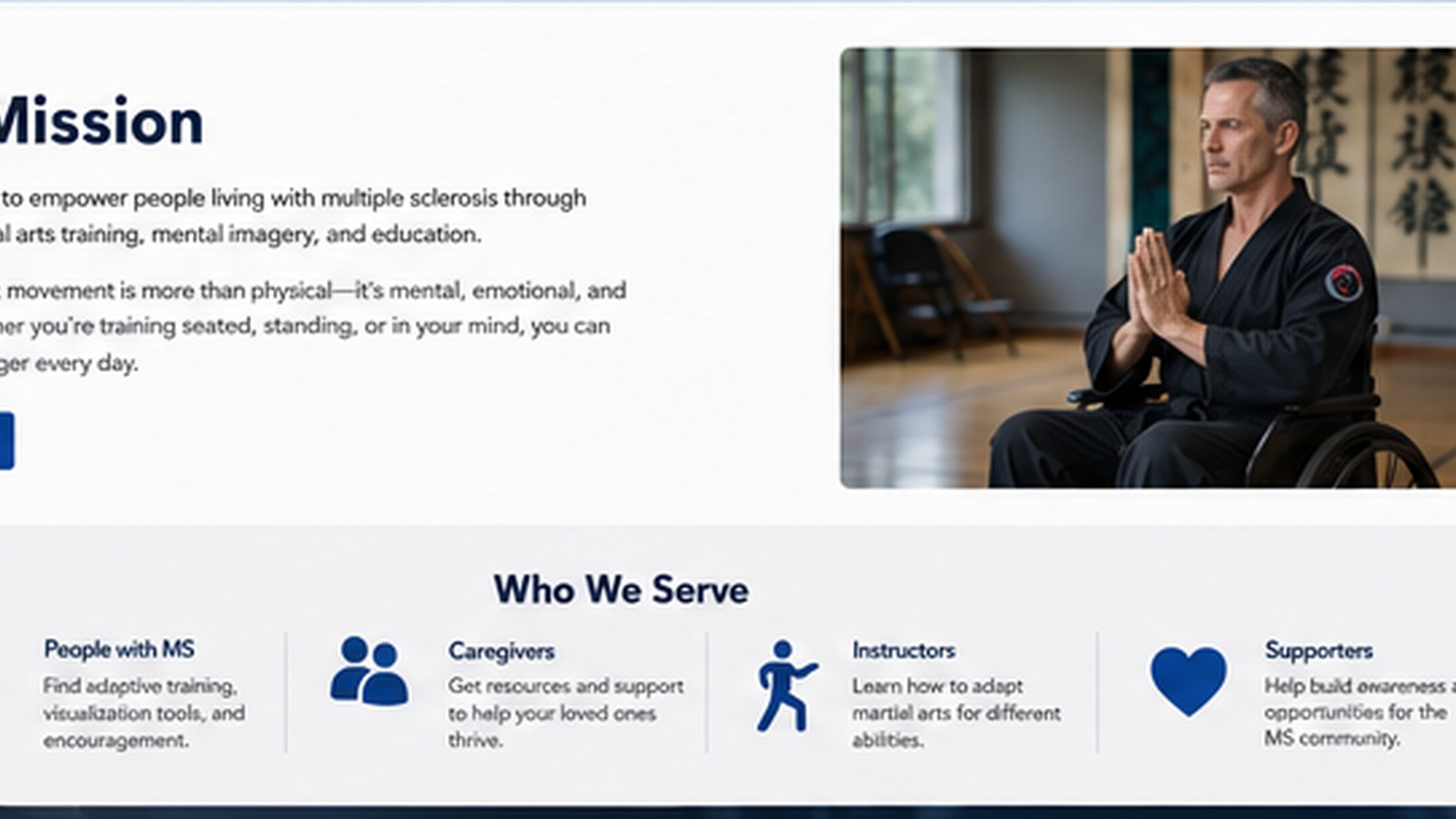
Relevant Visual Examples
These photorealistic-style visual examples are included to help visitors understand the MA4MS themes of adaptive movement, seated martial arts practice, visualization, and safe training. They are educational examples, not medical instruction.

About the Author
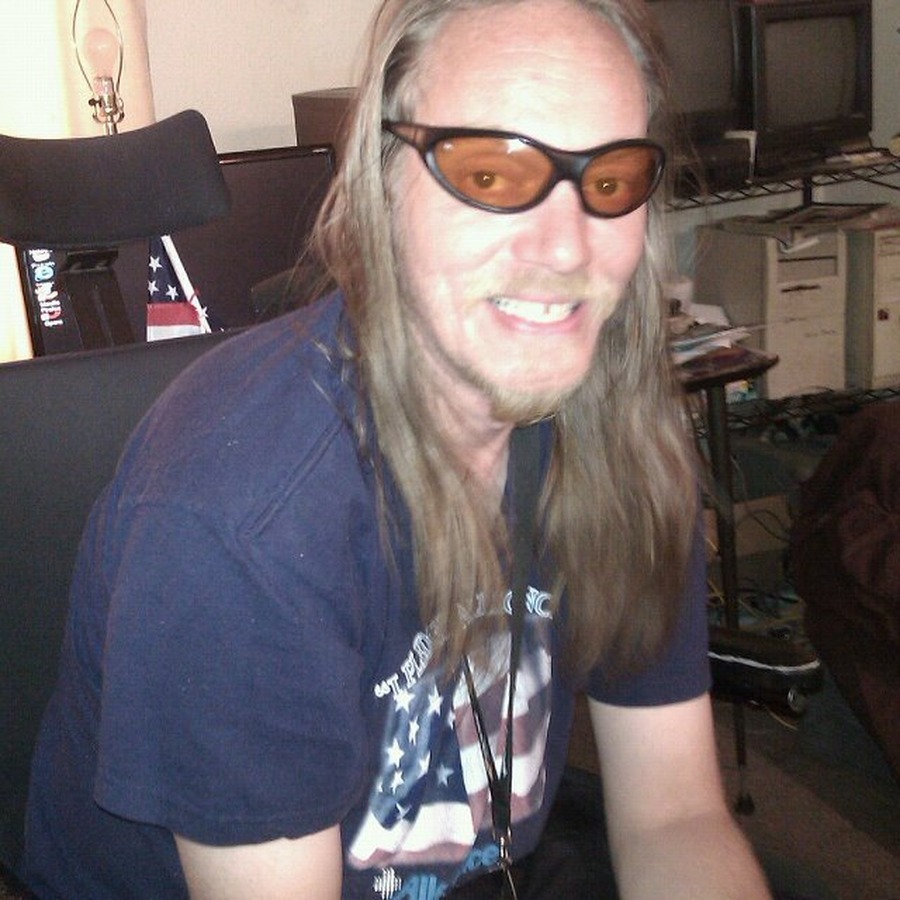
Author David Ellinger created MA4MS from lived experience as a martial artist, technologist, web developer, and person living with multiple sclerosis. His approach combines adaptive practice, mental imagery, technical creativity, and respect for the physical realities of MS.
MA4MS is powered by The Edge of Eternity Networks, supporting the technical foundation, website presence, accessibility direction, and long-term educational growth of this project.
Research References and External Resources
The external links below are provided as dofollow educational resources. They support the MA4MS approach to MS-aware movement, balance, motor imagery, rehabilitation, fatigue awareness, and adaptive practice.
National MS Society: Exercise and Physical Activity
“Exercise and physical activity play a crucial role in the management of MS.”
Supports adapted movement, pacing, and safe physical activity.
Mayo Clinic: Exercise and Multiple Sclerosis
“Regular aerobic exercise can increase strength and balance.”
Supports the focus on balance, strength, and medical guidance.
Mayo Clinic: MS Diagnosis and Treatment
“Regular exercise can help improve your strength, muscle tone, balance and coordination.”
Supports movement, coordination, and adapted activity.
PubMed: Effectiveness of Motor Imagery in Patients with Multiple Sclerosis
“MI and its combination with relaxation exercises have been shown to be effective.”
Supports mental imagery and relaxation as research-informed educational topics.
PMC: Motor Imagery on Motor Recovery in Multiple Sclerosis
“Findings showed that pwMS using MI had significant improvements.”
Supports careful discussion of motor imagery for MS.
PMC: Neuroplasticity and Motor Rehabilitation in Multiple Sclerosis
“Motor rehabilitation is routinely used in clinical practice.”
Supports discussion of rehabilitation, repetition, and neuroplasticity.
PMC: Exercise and Lifestyle Physical Activity Recommendations for People with MS
“Wellness is a priority for people with multiple sclerosis.”
Supports a broader wellness and physical activity framework.
Safety Reminder
Educational content only. MA4MS does not provide medical advice, diagnosis, treatment, physical therapy, or emergency guidance. Anyone living with multiple sclerosis should speak with a qualified healthcare professional before starting or changing exercise, martial arts practice, breathing work, visualization routines, or rehabilitation-related activity.