
Contact MA4MS

Contact MA4MS
Connect about adaptive practice, resources, future events, collaboration, and support.
Contact MA4MS
MA4MS welcomes thoughtful contact from people living with MS, caregivers, martial artists, instructors, supporters, and people interested in adaptive movement, visualization, and mind-body practice. The project is built around education, accessibility, lived experience, and responsible adaptation. Contact is welcome when it helps develop those goals.
You may reach out to ask about resources, suggest research, discuss future events, offer collaboration, share adaptive practice ideas, or connect as someone who cares about MS-aware movement. Instructors may contact MA4MS about accessibility, seated options, pacing, visualization, and ways to communicate with students whose bodies do not fit a traditional training model.
Email: info@ma4ms.org. Phone: (319) 354-3665. These contact details are included so visitors have a direct way to reach the project without relying only on forms or social platforms.
MA4MS cannot provide medical diagnosis, treatment advice, emergency response, medication guidance, or personalized rehabilitation plans. If your question involves symptoms, sudden changes, pain, weakness, balance problems, heat sensitivity, medication, relapse concerns, or safety, contact a qualified healthcare professional.
Caregivers and supporters are welcome to reach out because adaptive practice often involves a circle of support. A caregiver may help set up a safe space, remind someone to rest, assist with cooling strategies, or encourage practice without pressure. That kind of support can make a difference.
MA4MS is also open to resource suggestions. If you know of credible MS exercise guidance, motor imagery research, rehabilitation education, accessible martial arts programs, or adaptive movement resources, those suggestions may help strengthen the site for others.
Author David Ellinger values communication that is practical, respectful, and focused on helping people find safer ways to remain engaged. You do not need to share private medical details to ask a general question or suggest a resource.
Author David Ellinger also welcomes practical feedback about how the site reads for people who may be tired, overwhelmed, visually strained, or using mobile devices. Accessibility is not only technical. It is also emotional and practical. If a page feels too dense, a resource feels unclear, or an explanation could be more useful for someone newly facing MS, that feedback can help improve the project.
Helpful Internal Paths
MS & Movement
Learn how pacing, fatigue awareness, breathing, and body awareness shape adaptive movement.
Adaptive Training
Explore seated, supported, slowed, and visualized martial arts practice.
Visualization
Use mental rehearsal to stay connected to movement when physical practice is limited.
Resources
Review external references and educational resources supporting the MA4MS approach.
Relevant Visual Examples
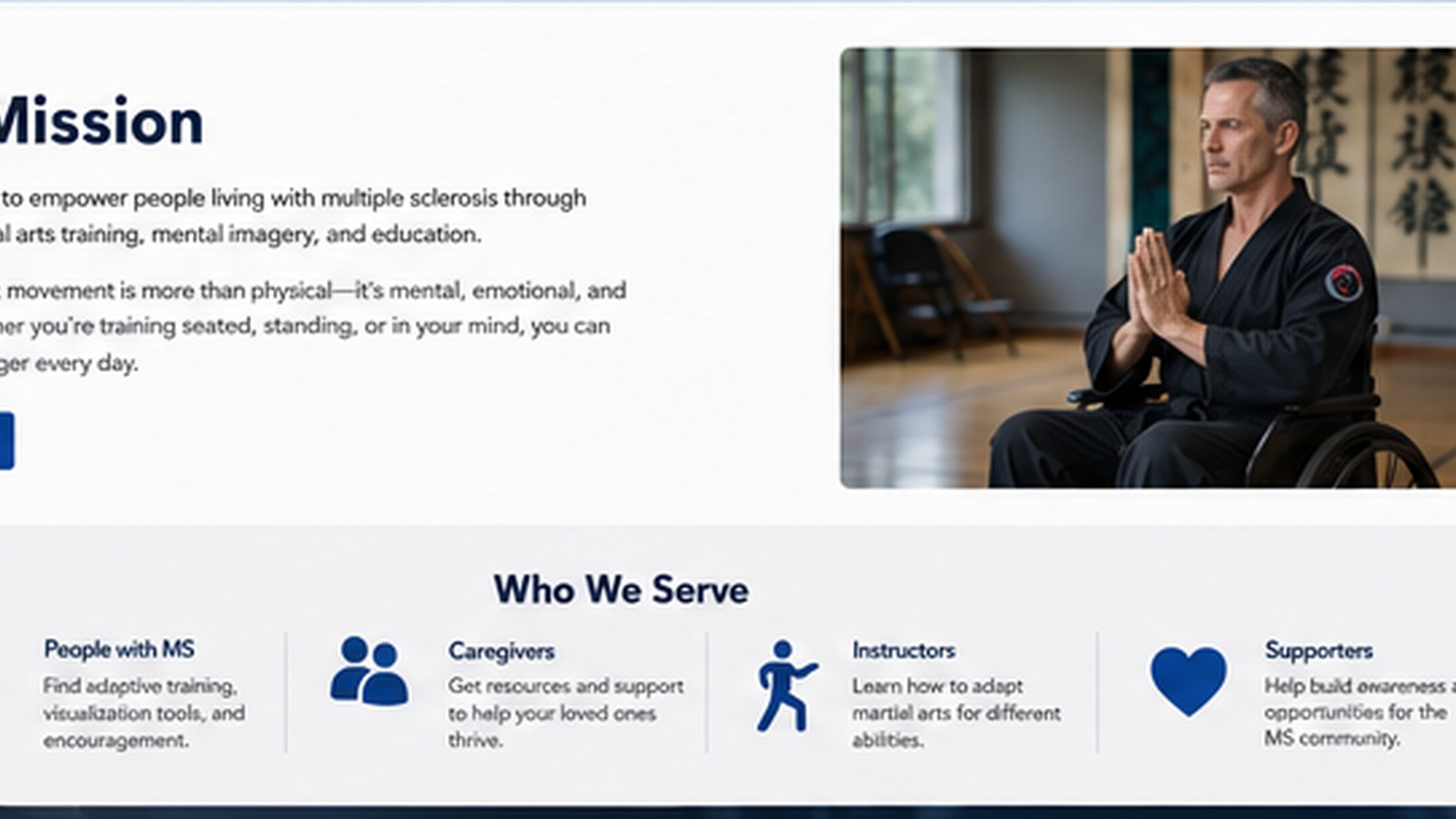
These photorealistic-style visual examples are included to help visitors understand the MA4MS themes of adaptive movement, seated martial arts practice, visualization, and safe training. They are educational examples, not medical instruction.
About the Author
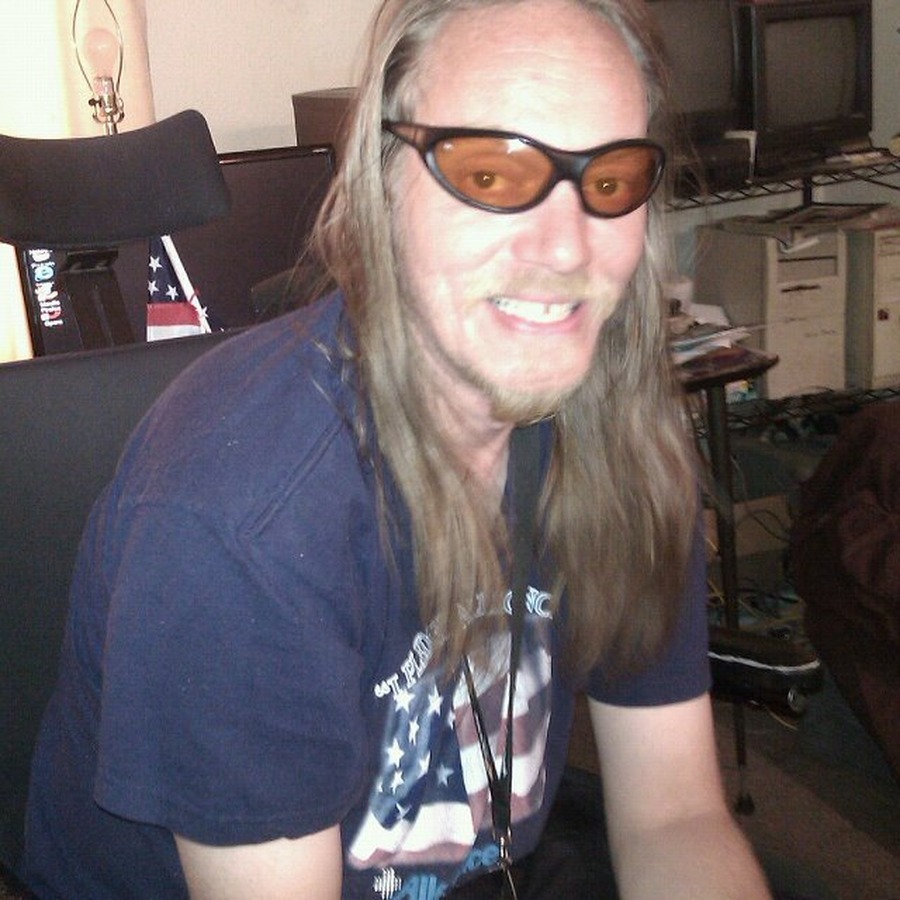
Author David Ellinger created MA4MS from lived experience as a martial artist, technologist, web developer, and person living with multiple sclerosis. His approach combines adaptive practice, mental imagery, technical creativity, and respect for the physical realities of MS.
MA4MS is powered by The Edge of Eternity Networks, supporting the technical foundation, website presence, accessibility direction, and long-term educational growth of this project.
Safety Reminder
Educational content only. MA4MS does not provide medical advice, diagnosis, treatment, physical therapy, or emergency guidance. Anyone living with multiple sclerosis should speak with a qualified healthcare professional before starting or changing exercise, martial arts practice, breathing work, visualization routines, or rehabilitation-related activity.