MS & Movement
MS & Movement
Movement with multiple sclerosis should begin where the body is today, with safety, pacing, dignity, and adaptation.
MS & Movement
Movement with multiple sclerosis should begin where the body is today, not where someone else thinks it should be. MS can affect energy, coordination, balance, strength, vision, sensation, pain, temperature tolerance, and mental stamina. Because symptoms can change from day to day, movement practice must be flexible. What works one morning may be too much that evening. What felt easy last week may require adaptation today.
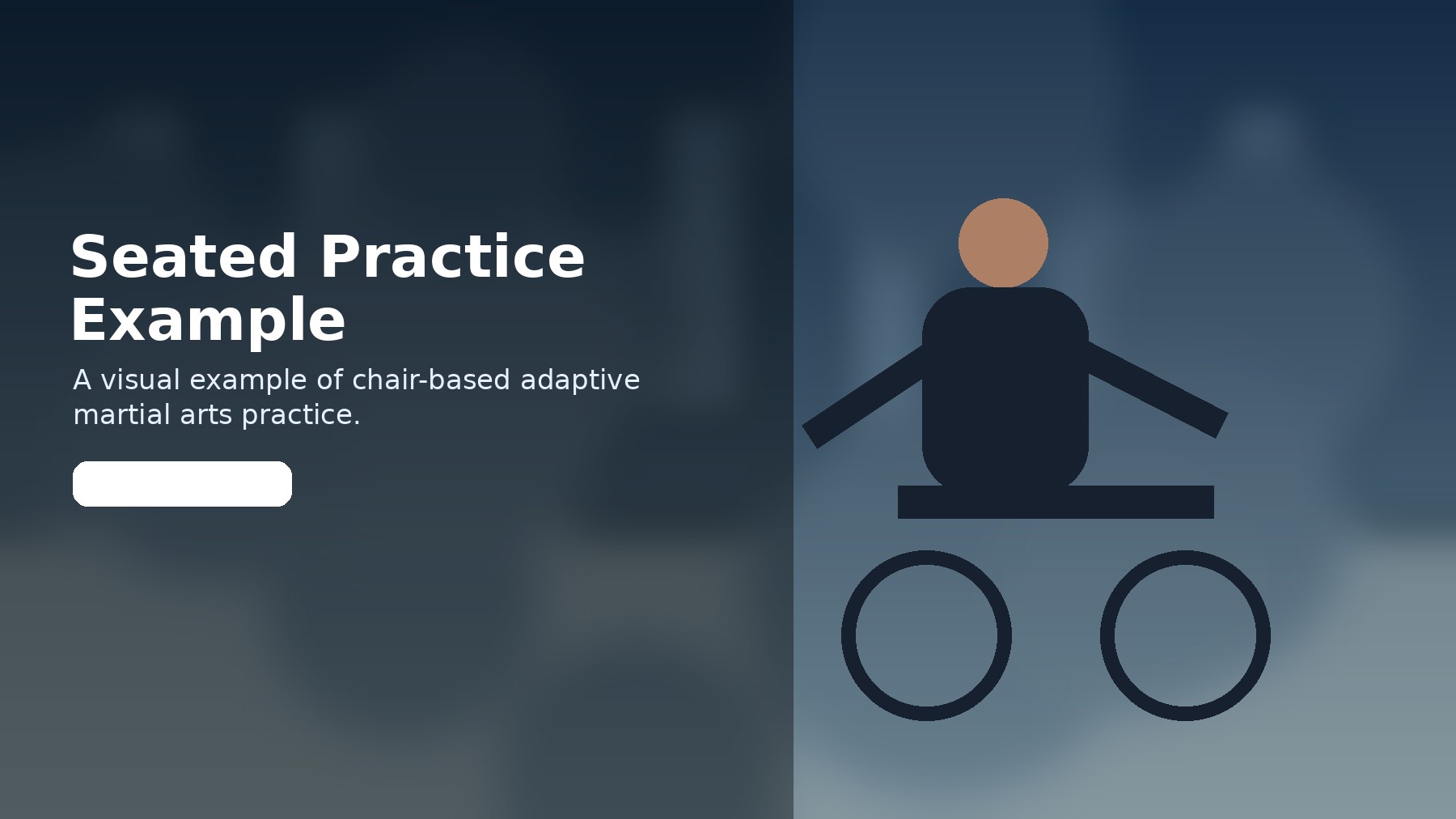
MA4MS treats movement as a mind-body practice rather than a performance. Martial arts-inspired movement can be reduced to posture, breath, hand position, rhythm, balance awareness, supported weight shift, or mental rehearsal. The goal is not to copy a class designed for able-bodied students. The goal is to preserve attention, dignity, and safe participation while honoring the limits created by MS.
The research direction behind MA4MS is intentionally careful. The National MS Society states that “Exercise and physical activity play a crucial role in the management of MS.” Mayo Clinic also notes that regular exercise can help improve strength, muscle tone, balance, and coordination. Those statements do not mean that every person with MS should train the same way. They mean that movement deserves thoughtful attention, adaptation, and professional guidance.
Practical movement options may include seated hand techniques, slow blocking motions, gentle shoulder and wrist movement, breath-linked posture checks, supported standing, reduced-range forms, or visualization. For someone with severe fatigue, a full routine may be unrealistic. A single movement performed with awareness may be enough. For someone with balance issues, seated practice may be safer than standing. For someone who overheats easily, shorter sessions and cooler environments may matter more than intensity.
Mind-body practice also includes stopping early. That is difficult for people who were trained to push through discomfort, but MS requires a different kind of discipline. Resting before exhaustion can be an intelligent training decision. Using a chair can be intelligent. Asking for support can be intelligent. Shortening a routine can be intelligent. Adaptation is not weakness; it is informed participation.
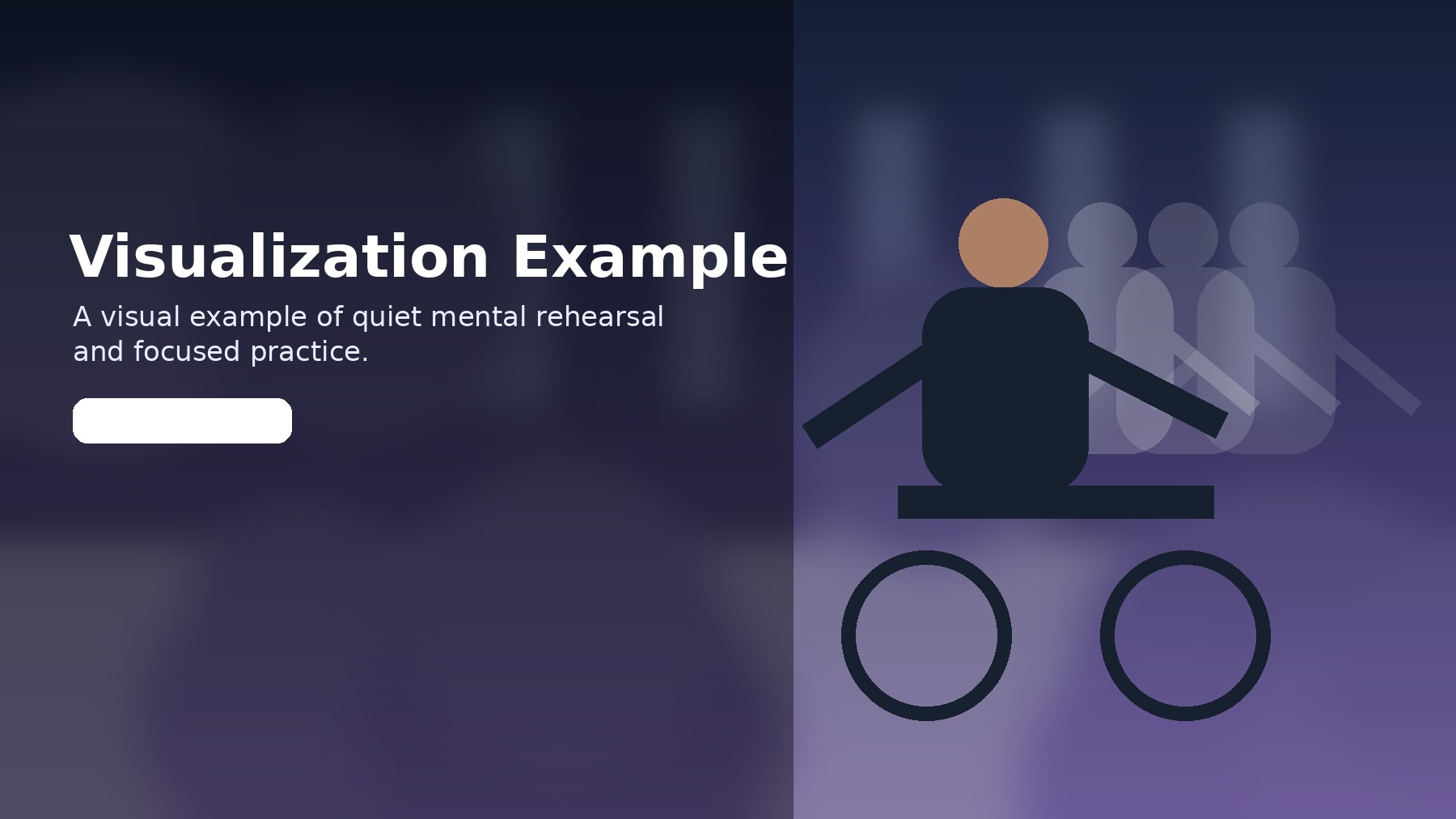
MA4MS encourages people to treat movement as a conversation with the body. Notice energy before practice. Notice balance. Notice heat. Notice pain. Notice whether attention feels clear or strained. Then choose the smallest useful practice. That may be breathing, posture, visualization, or one gentle movement. Over time, this approach can support consistency without demanding unsafe intensity.
Practical MA4MS Focus Areas
Adaptation
Practice can be changed to fit energy, balance, mobility, fatigue, pain, and safety needs.
Breath
Breathing can slow the practice down and connect attention to posture and movement.
Visualization
Mental rehearsal can preserve connection to movement when physical practice is limited.
Dignity
Modified practice is not lesser practice. It is intelligent practice.
Visual Examples
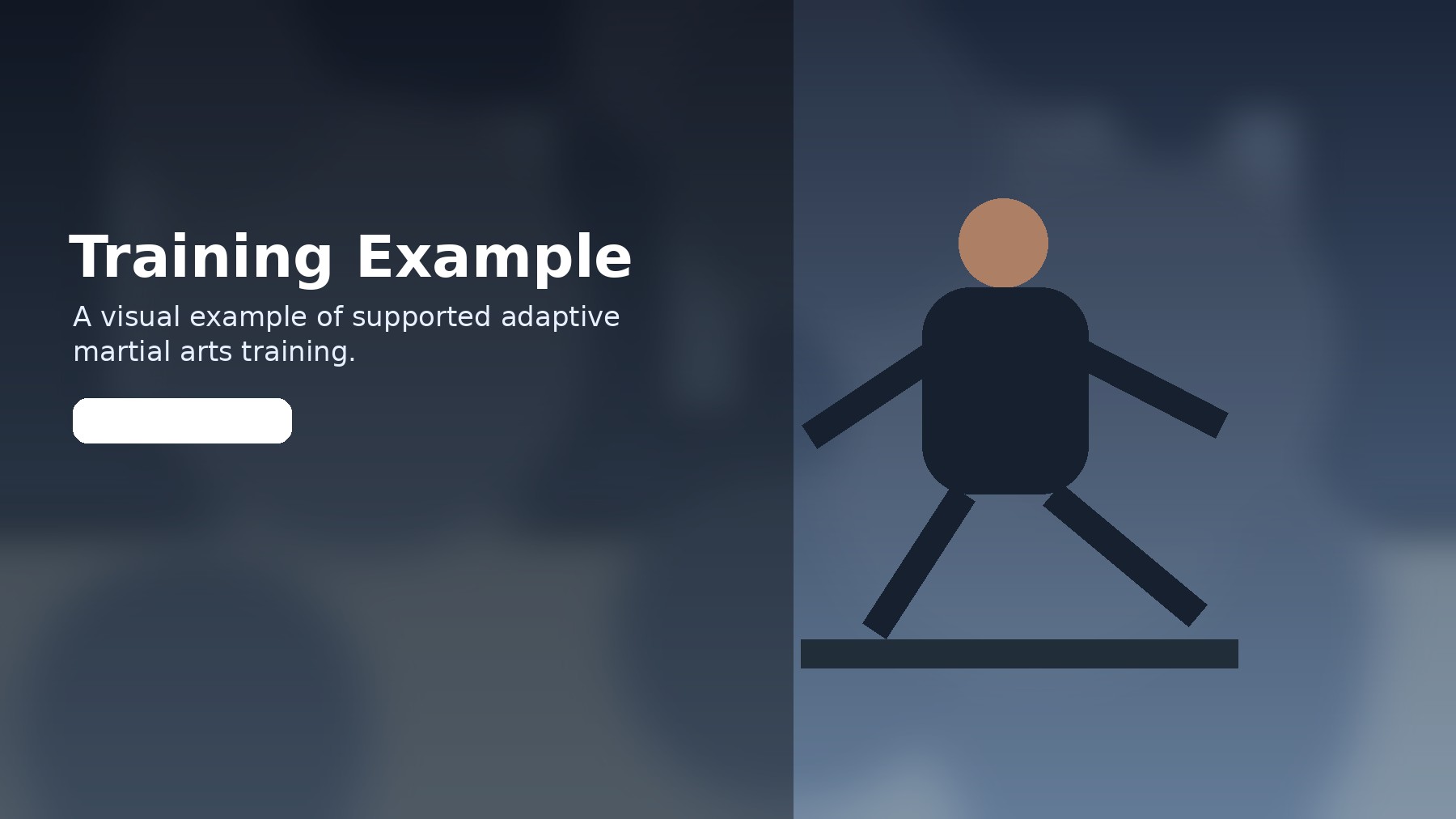
These visual examples are included to support understanding of seated practice, mental imagery, and adaptive training. They are not medical demonstrations and should not replace professional instruction.
Author Identity
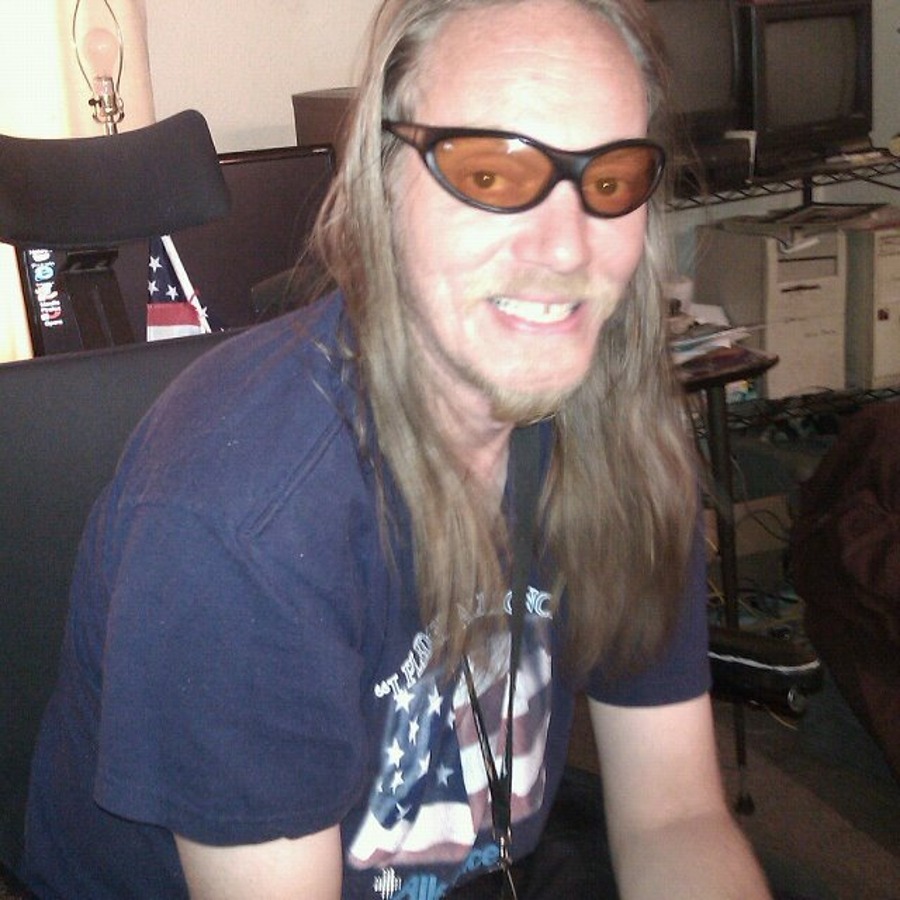
David Ellinger is the founder of MA4MS, a long-time martial artist, technologist, web developer, and person living with multiple sclerosis. His perspective is not built from theory alone. It comes from the reality of adapting discipline, focus, and identity after the body changes.
MA4MS is powered by The Edge of Eternity Networks, supporting the technical foundation, web presence, and long-term educational mission of the project.
Research References and External Resources
The following external resources support the broader MA4MS approach to MS-aware movement, motor imagery, balance, fatigue, neuroplasticity, rehabilitation, and safe physical activity.
National MS Society: Exercise and Physical Activity
“Exercise and physical activity play a crucial role in the management of MS.”
Supports the MA4MS emphasis on safe, adapted movement and activity.
Mayo Clinic: Exercise and multiple sclerosis
“Regular aerobic exercise can increase strength and balance.”
Supports the importance of strength, balance, and professional guidance.
Mayo Clinic: Multiple sclerosis diagnosis and treatment
“Regular exercise can help improve your strength, muscle tone, balance and coordination.”
Supports movement, coordination, and low-to-moderate activity concepts.
PubMed: Effectiveness of motor imagery in patients with multiple sclerosis
“MI and its combination with relaxation exercises have been shown to be effective.”
Supports including mental imagery and relaxation as educational topics.
PubMed: Motor Imagery as a fatigue rehabilitation resource
“Fatigue is a multidimensional symptom with both physical and cognitive aspects.”
Supports MA4MS attention to MS fatigue and mental practice.
PMC: Effectiveness of Motor Imagery on Motor Recovery in MS
“Findings showed that pwMS using MI had significant improvements.”
Supports discussing motor imagery as promising rehabilitation-related education.
PMC: Neuroplasticity and Motor Rehabilitation in Multiple Sclerosis
“Motor rehabilitation is routinely used in clinical practice.”
Supports discussion of rehabilitation, practice, and neuroplasticity.
PMC: Exercise and lifestyle physical activity recommendations for people with MS
“Wellness is a priority for people with multiple sclerosis.”
Supports an overall wellness and physical activity framework.
Safety and Medical Guidance
Educational content only. MA4MS does not provide medical advice, diagnosis, treatment, physical therapy, or emergency guidance. Anyone living with MS should speak with a qualified healthcare professional before starting or changing exercise, martial arts practice, breathing work, visualization routines, or rehabilitation-related activity.

About David Ellinger
David Ellinger is a martial artist, technologist, and founder of MA4MS living with multiple sclerosis.
Powered by The Edge of Eternity Networks