
Secondary Progressive MS & Adaptive Practice
Quick Answer
How can adaptive practice relate to SPMS?
For Secondary Progressive MS, adaptive practice may emphasize long-term flexibility, seated or supported options, pacing, visualization, and dignity as ability changes.
Secondary Progressive MS may require practice to keep adapting as ability, endurance, balance, strength, and energy change over time.
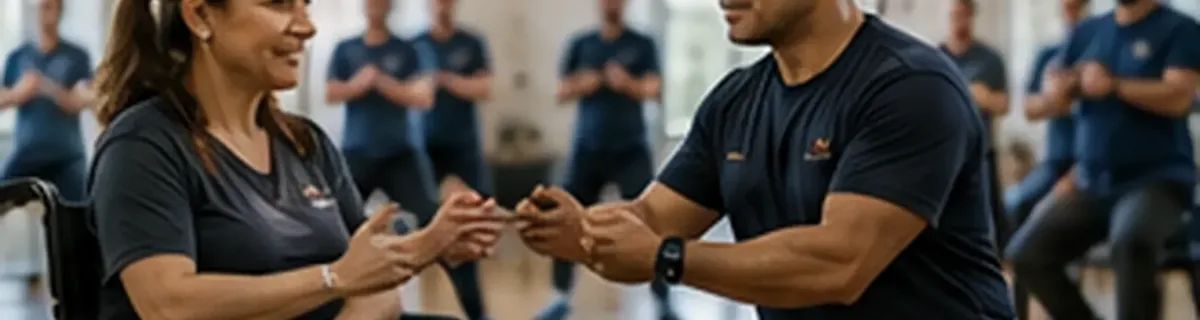
MA4MS approaches SPMS with respect for long-term adjustment. The goal is not to force old expectations onto a changing body. The goal is to preserve meaningful practice through pacing, seated or supported options, breathing, visualization, instructor flexibility, and dignity.
Adaptive Priorities for SPMS
- Focus on consistency without pressure.
- Use seated and supported practice when needed.
- Keep visualization as a valid form of participation.
- Adapt class expectations before frustration builds.
- Protect dignity, confidence, and choice.
Frequently Asked Questions
How can practice change with SPMS?
Practice may become slower, shorter, more supported, seated, or visualization-focused as needs change.
Is adapting a sign of failure?
No. Adaptation is central to MA4MS and can help preserve meaningful participation.
Should instructors understand progression?
Instructors should understand that needs can change and should teach with flexibility, respect, and clear communication.