
MS & Movement
Quick Answer
What is MA4MS?
MA4MS is an educational resource about adapting martial arts, movement, breathing, visualization, and supportive practice for people living with Multiple Sclerosis.
MS & Movement
Movement with MS is not about forcing the body. It is about listening, adapting, pacing, and preserving connection to practice.
MS can affect balance, vision, fatigue, strength, sensation, coordination, and confidence. That means movement must be approached with respect. Some days may allow more activity. Other days may call for breathing, visualization, or rest.
Movement Can Include
- Seated movement
- Gentle range of motion
- Breathing practice
- Balance awareness with support
- Visualization and mental rehearsal
- Short, paced practice sessions
MA4MS encourages people to work within their abilities and consult appropriate medical professionals when making decisions about physical activity.
Short Breathing and Movement Practices
Seated breath with gentle reach: Sit comfortably if possible. Inhale slowly while letting the spine grow taller. If it is safe, gently raise one hand or extend the fingers. Exhale slowly while lowering the hand or relaxing the fingers. Repeat only as tolerated.
Supported posture reset: With a chair, wall, bed rail, or other safe support, inhale and notice the feet, seat, hands, or support points. Exhale and soften the shoulders. This can be practiced standing, seated, or lying down, depending on ability and safety.
Learn How Practice Can Be Adapted
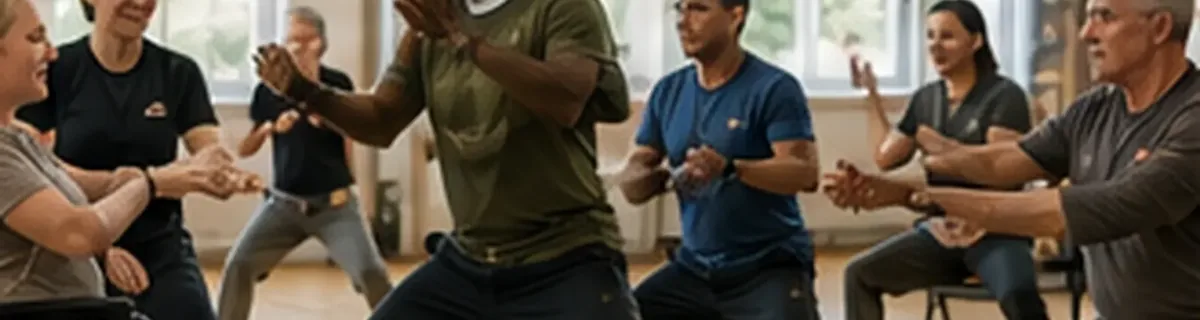
Adaptive martial arts can include many forms of movement, mental practice, and safe pacing.
Frequently Asked Questions
Can movement still matter if it is limited?
Yes. Meaningful movement may be small, slow, seated, assisted, or combined with visualization.
Should I ask a doctor before exercising with MS?
Yes. Medical decisions and exercise safety should be discussed with qualified healthcare professionals.
Why does pacing matter?
Pacing helps respect fatigue, symptom changes, and safety needs.
Can breathing be part of movement practice?
Yes. Breathing can be paired with small movements, posture resets, visualization, and rest periods to support focus and awareness.
What is a simple way to start?
Start small, choose a safe position, breathe slowly, and use only movements that fit your current ability and medical guidance.